Chicko Xerri Sensei

“Creating a place to move” – Aiki principles for ushiro training

Ushiro in Aikido training refers to a broad set of attack forms whereby the uke attacks the nage from behind.  Examples of ushiro attack forms include:

  • Ushiro Ryotedori: When attacker grabs both wrists from behind (see photo of O’sensei on right).
  • Ushiroeri katatedori: When the attacker grabs the rear collar and wrist.
  • Ushiro Hiji-tori: When both elbows are grabbed from behind.
  • Ushiro Ryokatatori: When both shoulders are grabbed from behind.
  • Ushiro Tekubitori Kubishime: When the neck is being strangled and a wrist is disabled.

In dynamic Aikido practise an ushiro attack is typically initiated from the front such that the uke enters first by grabbing the wrist and then moves to the rear of the nage.  The grabbing of the wrist can occur intentionally (eg the uke intends to undertake a ushiro ryotedori attack) or as a result of the nage responding to the initial attack by using their hand-sword to make connection and initiate defensive action.

In the below video Chicko Xerri Sensei (6th dan – AKI Aikikai) demonstrates the aiki principle of “creating a place to move” at first contact to create immediate opportunity for Aikido technique.  Notably, the approach taken by Chicko Sensei differs to what is often seen in Aikido practise whereby the nage takes the higher risk martial option of allowing the uke to move around to the nage‘s rear.


ADDITIONAL NOTES

  • Alternate option for creating space

In the below video, seniors from Aikido Warrior Fudoshin Dojo demonstrate an alternate irimi based option for creating a place to move.


  • Other Aiki principles for ushiro practice

Chicko Sensei in the following video provides an overview of other Aiki principles important for ushiro practice. Notably, Sensei uses the sword to demonstrate the origins of the principles.   


  • chicko-senseiChicko Xerri Sensei – Brief Bio

Our dojo is a Fudoshin dojo operating under the guidance and mentorship of  Chicko Xerri Sensei, 6th dan AKI (Aikikai), Tokyo.  Chicko Sensei has been practising and teaching Aikido for more than 40 years and is endorsed by Doshu Ueshiba.

Have a great week

Ian Grant
Dojo Cho
Aikido Warrior Fudoshin Dojo
 

Aiki studies – Balance breaking for shoulder grabs

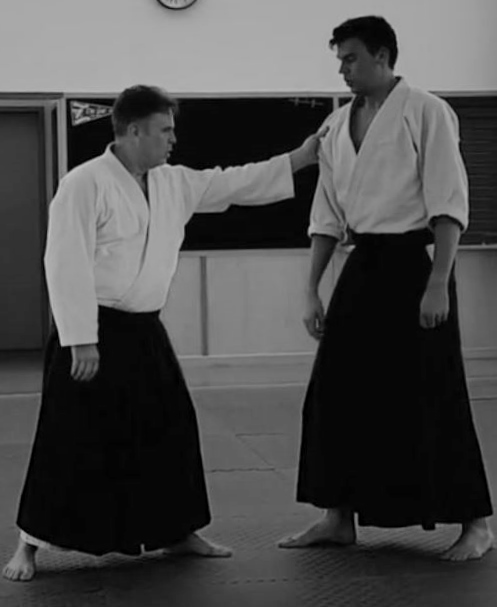
ian-grant-katadoriIn the absence of full cooperation, an aikido technique can generally only be created if the uke’s balance is first broken.  This principle equally applies when responding to an attack in the form of a shoulder grab (Katadori).

For many students, breaking a uke’s balance from a shoulder grab to sufficiently facilitate the creation of a technique can at times be quite challenging. This is particularly so where the nage wishes to apply a technique relying on an ikkyo (first teaching) intent.

In the below video, Ian Grant and Jeremy Gehrke Sensei demonstrate an Aiki option that may be used to break a uke’s balance from a static attack position. The application involves using kokyu principles to enhance the traditional balance breaking approach that is ordinarily is used for static katadori applications where there is an ikkyo intent.

Also included in the video is a demonstration of how we typically break the balance of the uke using kokyu principles where the shoulder grab attack is more dynamic and under motion. The principles underpinning this method are discussed further in the “Additional Notes”.


ADDITIONAL NOTES

  • Katadori – Aiki principles

In the below video Chicko Xerri Sensei (6th Dan AKI, Aikikai) explores some of the key Aiki principles that underpin higher level practice of katadori. The principles discussed are particularly applicable to Aiki responses to a shoulder grab where there is an ikkyo intent.

Our dojo is an AKI Fudoshin Dojo operating under the guidance and mentorship of Chicko Sensei.

All the best

Ian Grant
Dojo Cho
Aikido Warrior Fudoshin Dojo

Aiki Studies – Absorbing and redirecting an attack

In the below video Chicko Xerri Sensei explores some of the key Aiki principles and concepts for absorbing and redirecting an attack.  These principles and concepts include:

  •  Waiting until the attack is fully committed before attempting to defeat it;
  • Timing when addressing an attack;
  • Using equal energy contact in Aikido practice;
  • Responding to an attack by welcoming, absorbing and then creating technique.


  • chicko-senseiChicko Xerri Sensei – Brief Bio

Our dojo is a Fudoshin dojo operating under the guidance and mentorship of  Chicko Xerri Sensei, 6th dan AKI (Aikikai), Tokyo.  Chicko Sensei has been practising and teaching Aikido for more than 40 years and is endorsed by Doshu Ueshiba.

Have a great week

Ian Grant
Dojo Cho
Aikido Warrior Fudoshin Dojo
 

Aiki principles – Yokomen is shomen

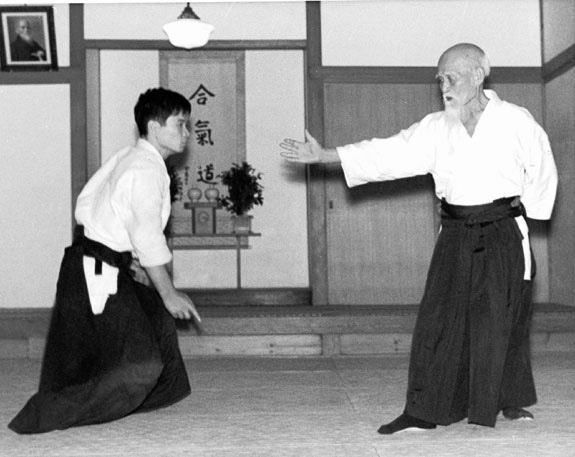
yokomen-morihei-ueshiba-arm-extende1In the below video Chicko Xerri Sensei explores the Aiki principles underpinning a yokomen strike or cut in Aikido practice.

Yokomen is described in the Founders 2nd text, Budo (1938), as a “blow to the side of your partner’s head or down diagonally across (their) shoulder with your te-gatana (hand sword)”.

The importance of yokomen training in Aikido is also discussed in the text.  Of particular note is the statement that training in yokomen attacks “…contains the essence of all techniques“.


ADDITIONAL NOTES

  • Yokomenuchi basics – Mike Jones Sensei – NY Aikikai


  • chicko-senseiChicko Xerri Sensei – Brief Bio

Our dojo is a Fudoshin dojo operating under the guidance and mentorship of  Chicko Xerri Sensei, 6th dan AKI (Aikikai), Tokyo.  Chicko Sensei has been practising and teaching Aikido for more than 40 years and is endorsed by Doshu Ueshiba.

Have a great week

Ian Grant
Dojo Cho
Aikido Warrior Fudoshin Dojo
 

Learnings from the sword – Dealing with shoulder grabs

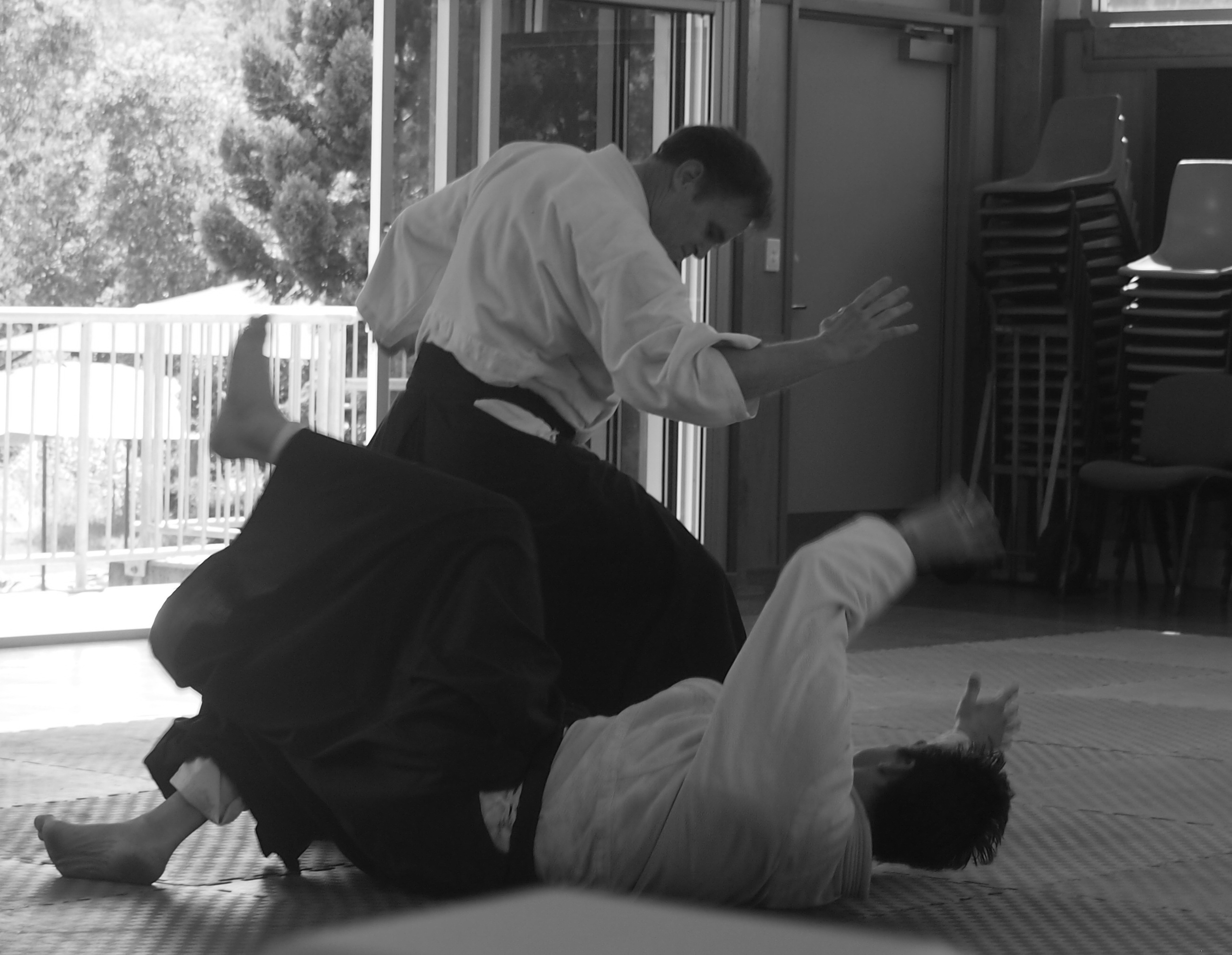
Ian Grant SenseiA key aspect of our practice at the dojo is to use traditional sword movements to enhance and improve our unarmed arts.  Our practice in this regard incorporates the use of a wide range of bokkens including the shoto (short sword), suburito and Musashi oar.

Exploring Aikido in this way is in line with comments made by Master Morihei Ueshiba (The Founder of Aikido) that Aikido at its essence is a form of taijutsu that incorporates traditional sword principles

In the below video Ian Grant and Jeremy Gehrke Sensei use the short sword to explore the Aiki principles associated with absorbing and redirecting an an attack in the form of a shoulder grab (katadori).


ADDITIONAL NOTES

  • Aiki principles and katadori

In the below video Chicko Xerri Sensei explores some of the key Aiki principles that underpin Aikido forms to address an attack from a shoulder grab. An integral part of the instruction in both videos is the use of the bokken to enhance understanding of the basic movements used in this type of practice.


  • chicko-senseiChicko Xerri Sensei – Brief Bio

Our dojo is a Fudoshin dojo operating under the guidance and mentorship of  Chicko Xerri Sensei, 6th dan AKI (Aikikai), Tokyo.  Chicko Sensei has been practising and teaching Aikido for more than 40 years and is endorsed by Doshu Ueshiba.

Have a great weekend

Ian Grant
Dojo Cho
Aikido Warrior Fudoshin Dojo